
Jose Darey Castro is a Mexican singer, songwriter, producer and multi-instrumentalist best known as the leading figure behind Dareyes de la Sierra. During a career spanning more than two decades, he has performed romantic norteño tracks, banda arrangements, traditional corridos and modern corridos tumbados. Even as regional Mexican music has changed, his strong vocal style has remained a key part of his identity.
Over the years, Castro has earned major songwriting recognition, a Latin Grammy nomination and several successful collaborations. More recently, the 2025 album Redención introduced his work to younger listeners. Soon afterward, the 2026 project SABIA continued that progress and showed that his return was not based on only one successful release.
Quick Facts
| Field | Details |
|---|---|
| Full name | José Darey Castro Borbón |
| Professional name | Darey Castro |
| Place of origin | Navojoa, Sonora, Mexico |
| Professional base | Los Angeles, California |
| Occupations | Singer, songwriter, musician and producer |
| Primary instruments | Vocals and accordion |
| Additional instruments | Guitar, bajo sexto and bass |
| Musical identity | Dareyes de la Sierra |
| Main genres | Corrido, norteño, banda and música mexicana |
| Career length | More than two decades |
| Major recognition | 2009 Latin Grammy nomination |
| 2025 album | Redención |
| Latest album | SABIA, released in 2026 |
Who Is Jose Darey Castro?
The singer’s complete name is José Darey Castro Borbón. However, most listeners know him as Darey Castro or through the name Dareyes de la Sierra. He is the main singer, accordionist and creative leader of the project. In addition, he has worked as a songwriter, musician and producer throughout his long career.
Although Dareyes de la Sierra began as a group, the act later became closely connected with Castro himself. His deep voice, direct delivery and accordion playing give the recordings a clear identity. As a result, he has been able to update his sound without losing the musical style that first attracted his audience.
Sonora Roots and Early Musical Development
Castro comes from Navojoa, Sonora, a region strongly linked with norteño, banda and corrido traditions. His first experience with an instrument began at home. When he was about 10 years old, his father gave him a guitar. At first, however, Castro did not have the patience needed to learn it and eventually broke the instrument during a childhood outburst.
Five years later, he returned to the guitar with a more serious attitude. From that point, he continued learning and later developed skills on the accordion, bass and bajo sexto. Therefore, his musical ability grew through practice rather than sudden fame. Those early lessons also prepared him to lead both recording sessions and live performances.
Building Dareyes de la Sierra
Before becoming Dareyes de la Sierra, Castro’s project used names such as Los Llegadores de Sonora and Los Alteños de la Sierra. During those early years, the musicians were still shaping their sound and public identity. Eventually, Castro chose a name based on his own professional identity, and Dareyes de la Sierra became the title most listeners recognized.
The name Los Dareyes de la Sierra later became a registered trademark connected with Castro’s full legal name. Moreover, the registration covered recorded entertainment and live performances. This business record supports his role as more than the singer of the act. Instead, it shows that he has been closely involved in its ownership, direction and long-term development.
Breakthrough Songs and Chart Success
Early releases helped Dareyes de la Sierra gain attention within regional Mexican music. The 2005 project El Águila Real became an important part of the group’s early catalog. Around the same period, “El Jabalí” appeared on Billboard’s Regional Mexican Airplay chart. Consequently, Castro began reaching audiences beyond local events and smaller regional stages.
He later gained wider attention through tracks such as “Sufre,” “Enséñame a Olvidar” and “Hasta el Día de Hoy.” In particular, “Hasta el Día de Hoy” spent 11 weeks on Billboard’s Regional Mexican Airplay chart in 2008. Years later, listeners continued discovering the track online, allowing it to remain one of the most recognizable releases connected with his career.
Awards and Industry Recognition
A major career milestone arrived in 2009, when Dareyes de la Sierra received a Latin Grammy nomination for Best Banda Album. The nominated recording, Una Copa Más, placed the act among established regional performers. More importantly, the nomination gave Castro formal recognition from one of the leading organizations in Latin music.
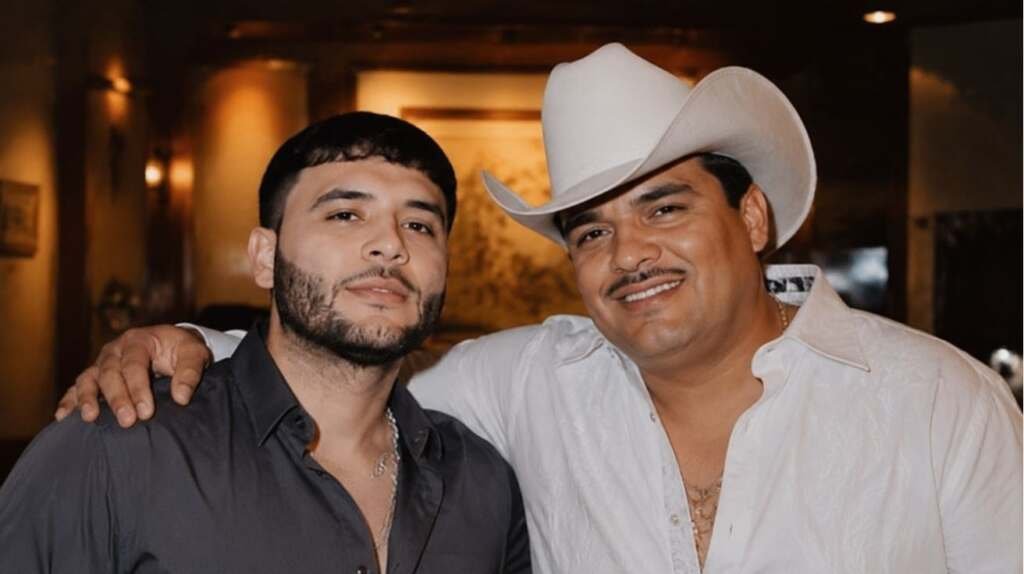
His songwriting also earned industry attention. For example, BMI honored him at the 2013 Latin Music Awards for his work on “Enséñame a Olvidar.” Later, BMI also recognized his writing contribution to “No Me Dolió,” recorded by La Original Banda El Limón. Therefore, his influence is not limited to the songs he performs himself.
Looking for more information? Visit bbtimes.co.uk
Resilience and Musical Reinvention
Castro’s career has not followed an easy path. In 2004, he survived a serious attack that could have ended both his personal journey and professional work. Even so, he returned to recording and performing. His ability to continue after such a difficult event became one of the clearest examples of his determination and long-term commitment.
At the same time, Castro was willing to test themes that were not yet widely accepted. His 2007 track “Los En-Kush-ados” explored ideas later linked with corridos verdes. Audiences initially resisted that direction. However, similar themes became more common years afterward, especially with the growth of corridos tumbados and other modern corrido styles.
Redención and a New Career Peak
After a long period without a major studio project, Castro released Redención through Double P Records in May 2025. The 14-track album combined his familiar voice and accordion with newer corrido production. In addition, it featured artists such as Tito Double P, Peso Pluma, Netón Vega, Gabito Ballesteros and Luis R. Conriquez.
The album debuted at No. 3 on Spotify’s Top Albums Debut Global chart. Because of that strong response, the project later received a deluxe edition. Castro also began his first full United States tour, which included 20 dates and started in Los Angeles in August 2025. As a result, he was able to perform for both longtime supporters and a new generation of listeners.
The Songs That Powered His Comeback
One of the leading tracks from the Redención period was “Vita Fer,” recorded with Tito Double P. The collaboration reached No. 1 on Billboard’s Mexico Songs chart. Meanwhile, other tracks connected Castro with major names from the newer música mexicana movement, including “Supreme” with Peso Pluma and “Polvo de Hadas” with Luis R. Conriquez.
The deluxe edition also included “Frecuencia,” written by Castro and Estevan Plazola. Castro produced the track with Pablo Molina. Musically, it joined strong accordion lines with faster modern rhythms and Castro’s rough vocal delivery. Therefore, the release worked as a clear example of how he could modernize his production while still sounding like himself.
SABIA and His 2026 Musical Chapter
Castro followed Redención with SABIA, released on April 16, 2026, through Double P Records. The album contains 21 tracks and runs for about one hour. Since it arrived less than a year after Redención, the release showed that his renewed success had developed into an active new stage rather than ending after one album.
While Redención included several famous guests, SABIA placed greater attention on Castro’s own voice, accordion and songwriting style. Tracks such as “MATCHA,” “SAYKO” and “CANDY POWER” continued his modern direction. Nevertheless, the album remained connected with the corrido sound and performance style that had shaped his earlier career.
Family Influence and Personal Outlook
The most clearly documented family influence in Castro’s career is his father, who gave him his first guitar. Although Castro did not immediately value the instrument, he returned to music several years later. In this way, the early gift became an important starting point in a career that would eventually include singing, songwriting, production and several instruments.
As his career developed, Castro also formed a thoughtful view of success. He has discussed the emotional pressure that can come with public attention. Therefore, he tries not to let recognition control his life. Instead, he places value on living in the present, protecting his peace and avoiding constant worry about the past or future.
Public Image and Lifestyle
Castro’s public image combines classic regional Mexican fashion with the modern style associated with corridos tumbados. During performances and promotional appearances, he often wears polished jackets, jewelry and carefully selected outfits. Consequently, his appearance feels familiar to longtime regional fans while also matching the visual style preferred by younger audiences.
Luxury, nightlife and expensive possessions appear in some of his newer tracks and videos. However, these elements mainly support the stories and atmosphere of the material. In interviews, Castro speaks more often about musical freedom, gratitude, emotional balance and career longevity. His public comments, therefore, present a more grounded picture than the dramatic lifestyle shown in his performances.
Social Media Presence
Digital platforms have played an important role in Castro’s recent growth. His official profiles share new releases, concert moments, tour news and collaborations. In addition, older Dareyes de la Sierra tracks appear beside his newer work. This makes it easier for younger listeners to explore his early catalog after discovering him through modern collaborations.
- Instagram: @dareydls
- YouTube: @DareyesDeLaSierra
His Instagram presence has attracted millions of followers, while the official YouTube channel continues to publish performance footage and new videos. Meanwhile, streaming platforms have introduced his work to a much wider audience. Together, these services connect his established fans with listeners who first encountered him during the Redención era.
Interesting Facts About Jose Darey Castro
- His full registered name is José Darey Castro Borbón.
- His father gave him his first guitar when he was 10 years old.
- His project previously used the names Los Llegadores de Sonora and Los Alteños de la Sierra.
- Dareyes de la Sierra earned a 2009 Latin Grammy nomination for Una Copa Más.
- His 2026 album SABIA contains 21 tracks and followed Redención by less than a year.
Conclusion
Jose Darey Castro has built a career based on persistence, musical skill and the ability to adapt. First, his emotional recordings and corridos established Dareyes de la Sierra in regional Mexican music. Later, his songwriting honors and Latin Grammy nomination gave him wider industry recognition. Even during difficult periods, he continued developing his work.
More recently, Redención and SABIA connected Castro’s traditional sound with modern corrido production. Although collaborations introduced him to younger audiences, his voice, accordion and songwriting remained central. Overall, his career now links several generations of música mexicana listeners through one growing body of work.
FAQs
What is Jose Darey Castro known for?
Jose Darey Castro is known as the singer, songwriter and accordionist behind Dareyes de la Sierra, a long-running música mexicana act.
Where is Jose Darey Castro from?
He comes from Navojoa, Sonora, Mexico, a region strongly connected with the norteño, banda and traditional corrido styles.
What was Jose Darey Castro’s biggest early success?
“Hasta el Día de Hoy” became a major early success and spent 11 weeks on Billboard’s Regional Mexican Airplay chart in 2008.
Has Jose Darey Castro received major award recognition?
Yes. Dareyes de la Sierra earned a 2009 Latin Grammy nomination for Best Banda Album with the recording Una Copa Más.
What is Jose Darey Castro’s latest album?
His latest album is SABIA, a 21-track Double P Records release that arrived on April 16, 2026, after the successful Redención era.
Check out more: Casey Beane Biography, Career Path, and Family Background